Online Coaching: Your Key to Sustainable Health and Fitness


Get started

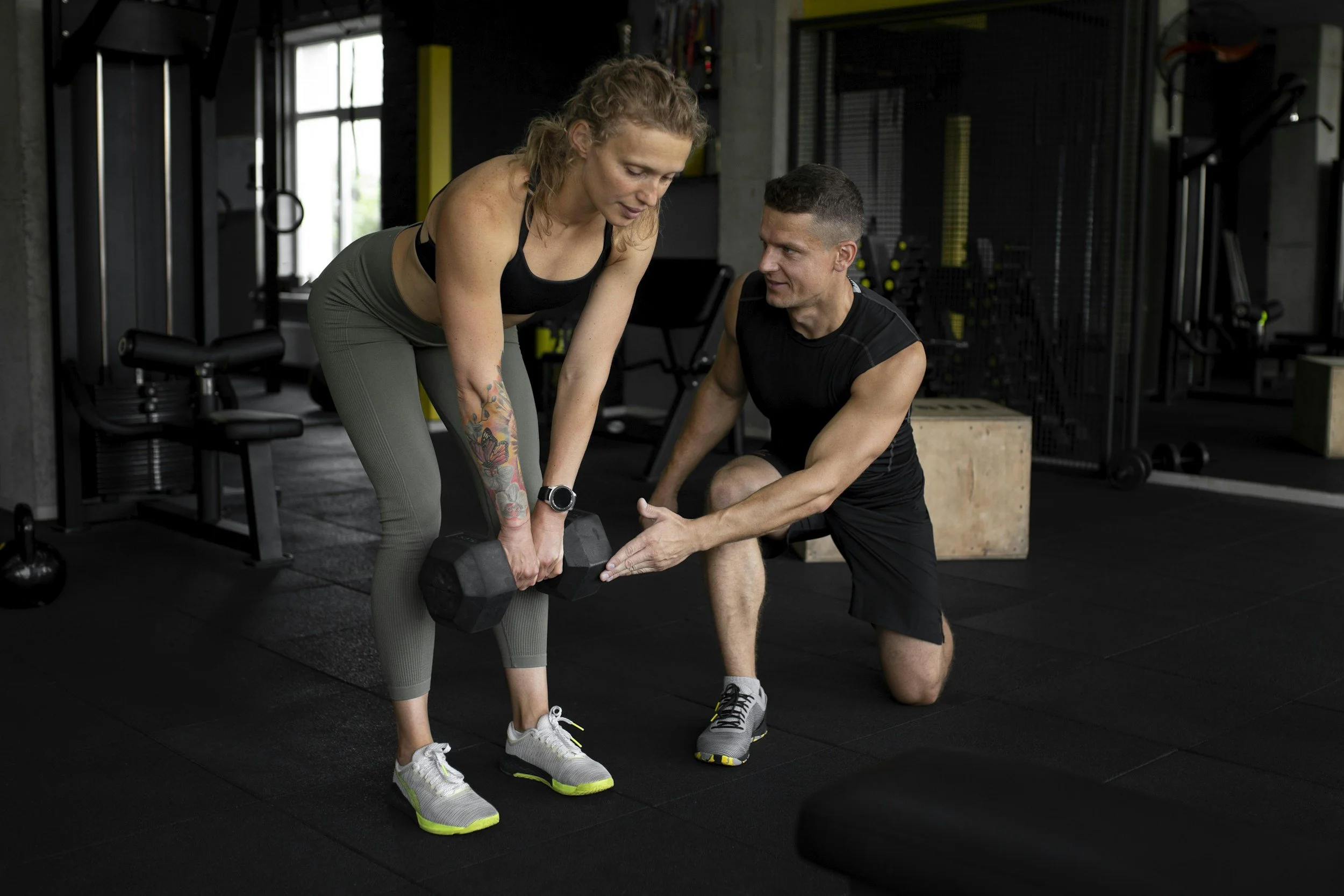
Online is often more effective than in person personal training

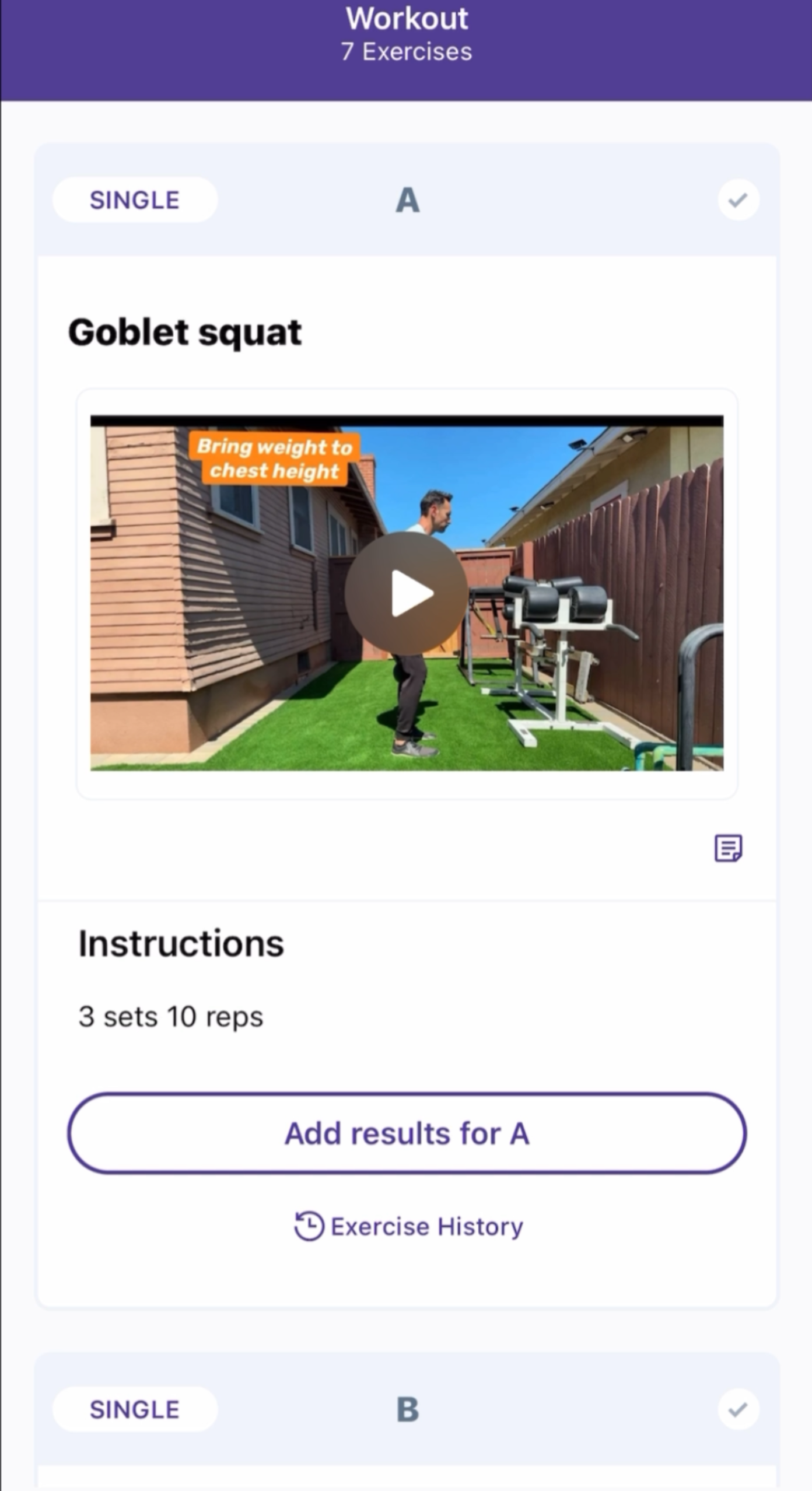
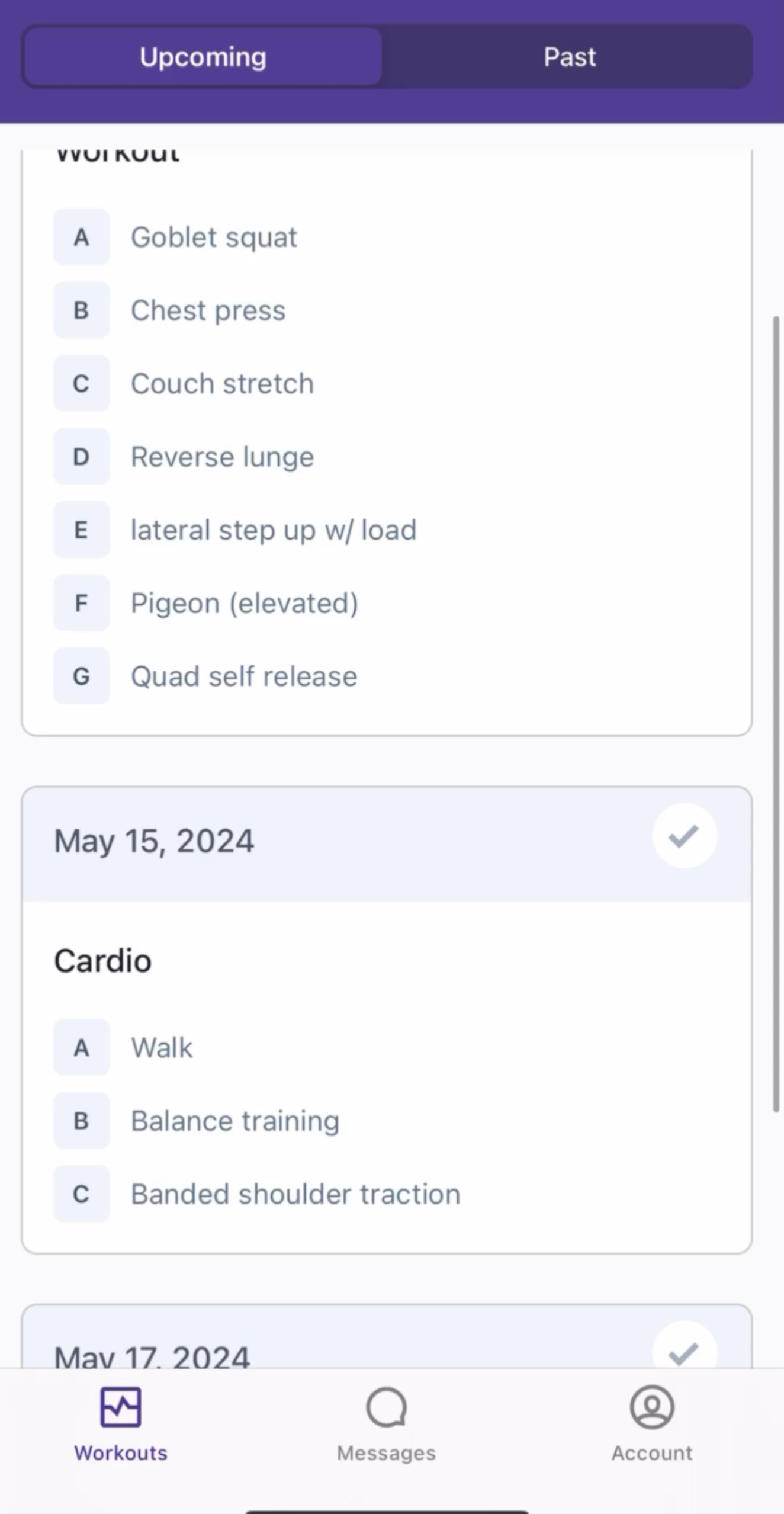
In today's fast-paced world, achieving your fitness goals can seem like an uphill battle. But with the rise of online coaching, reaching your full potential has never been more accessible. At Health Shift, we offer a range of online coaching programs designed to empower you to transform your health and fitness from anywhere, at any time.

Benefits of Online Coaching:

  • Convenience: Access personalized coaching and support from the comfort of your own home or wherever you may be.

  • Flexibility: Fit workouts and coaching sessions into your busy schedule, making it easier to stay consistent and committed.

  • Personalized Guidance: Receive tailored guidance and support from experienced coaches who understand your unique needs and goals.

  • Accountability: Stay on track with your goals through regular check-ins and accountability from your coach.

  • Cost-Effective: Enjoy the benefits of expert coaching at a fraction of the cost of traditional in-person training.

Our Online Coaching Programs:

  1. Injury Rehab: Recover from injuries and prevent future ones with personalized rehab programs tailored to your specific needs.

  2. Fitness: Achieve your fitness goals with customized workout plans designed to challenge and motivate you.

  3. Weight Loss: Say goodbye to fad diets and unsustainable approaches. Our online weight loss program focuses on habit changes for long-term results.

At Health Shift, we believe in the power of habit changes over meal plans. By focusing on sustainable lifestyle changes, we help you develop healthier habits that last a lifetime, leading to lasting results.

Ready to take the first step towards a healthier, fitter you? Schedule a free consultation with Dr. Daniel Cordero D.C. today and discover how online coaching can unlock your full potential.
Schedule Your Free Consultation Today!

Don't let your fitness goals remain out of reach. Take advantage of our free consultation offer and embark on a journey towards a healthier, happier you. Schedule your consultation now and let's make your fitness dreams a reality.

Free health and fitness material

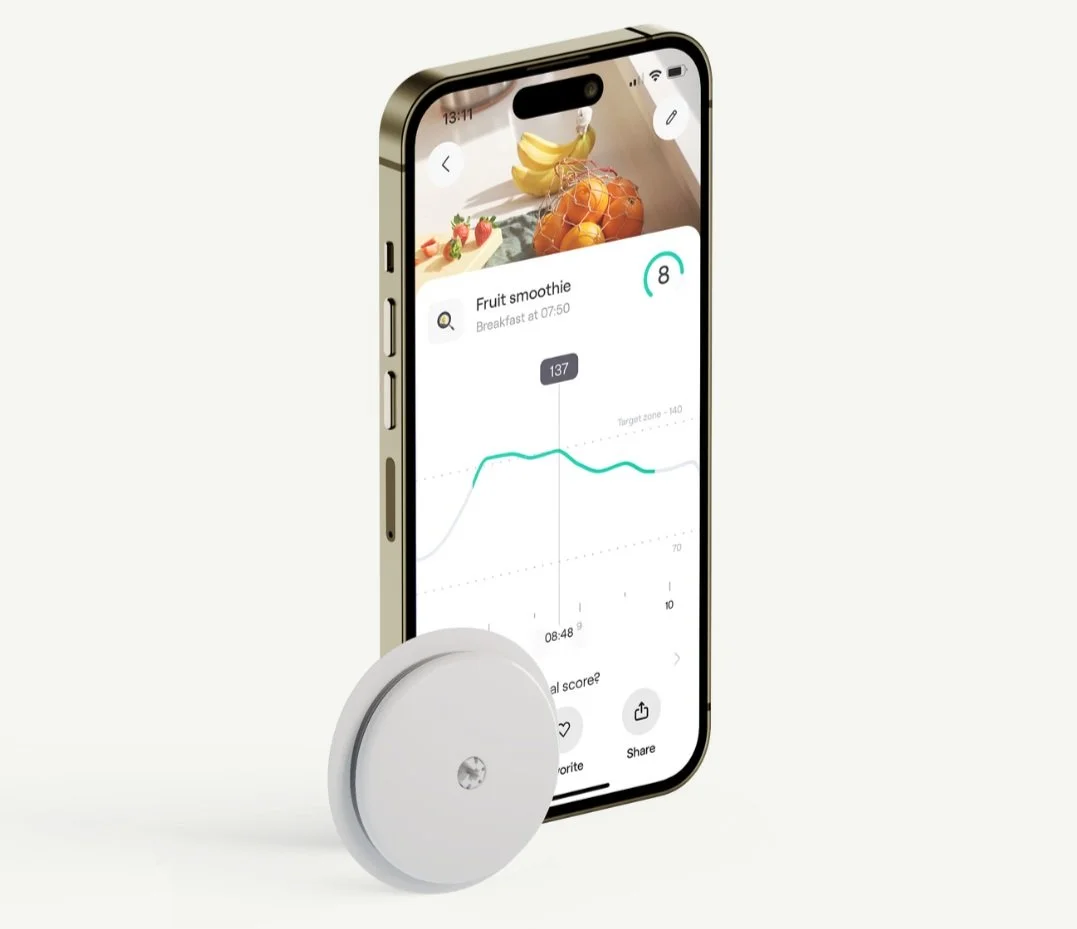
Unlocking Weight Loss Success with CGMs: How Continuous Glucose Monitors Can Transform Your Journey


Introduction: In the pursuit of shedding excess weight and achieving optimal health, individuals are constantly seeking innovative tools and techniques. Enter Continuous Glucose Monitors (CGMs), originally developed for diabetes management but now gaining traction as a powerful ally in the quest for weight loss. Let's explore what CGMs are and how they can revolutionize weight management.

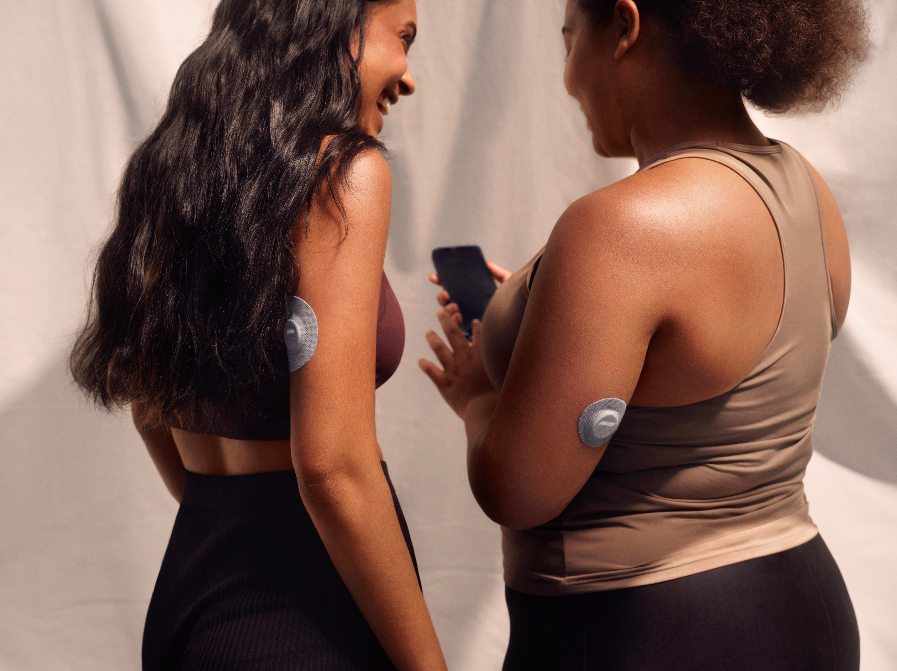
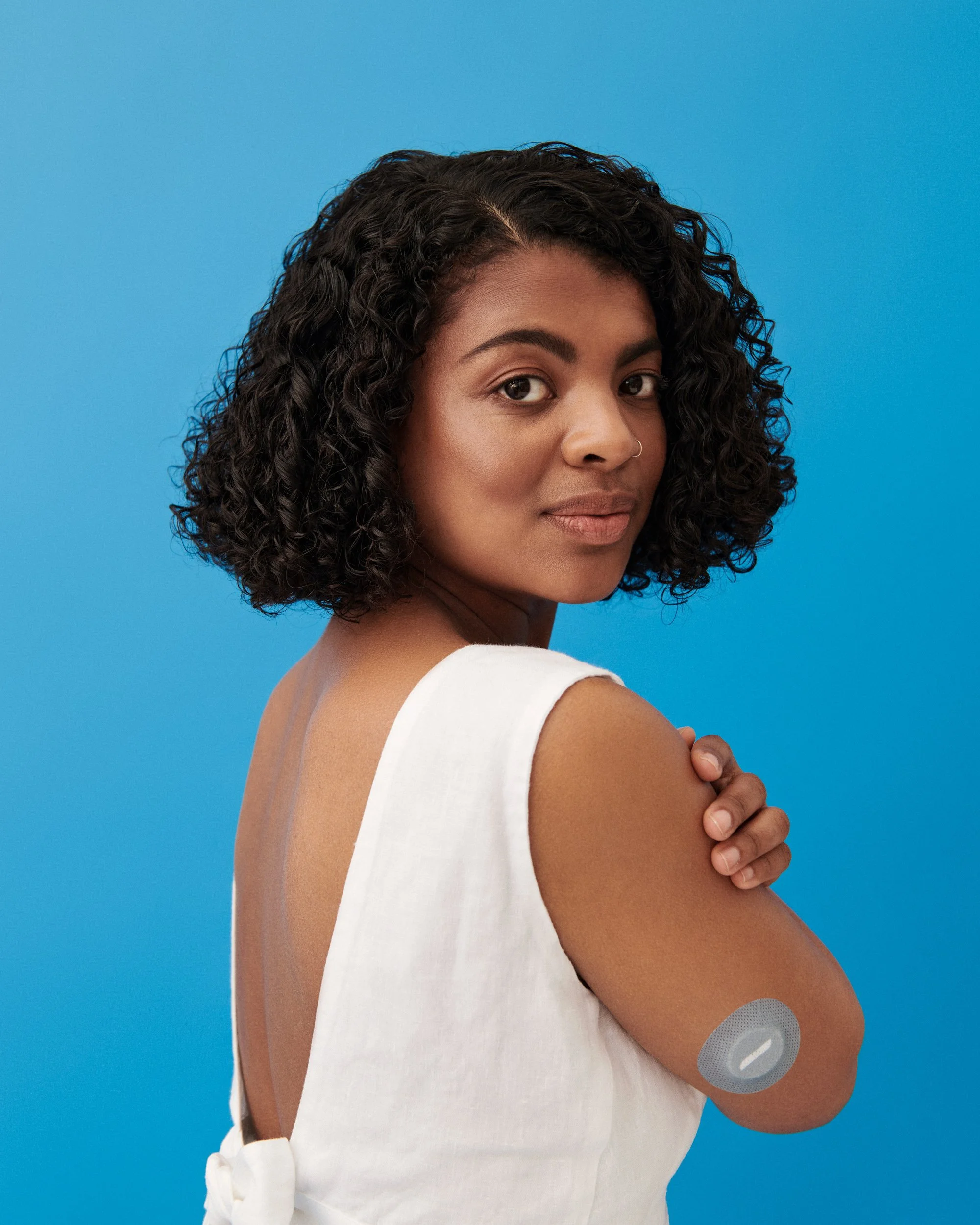
Understanding CGMs: Continuous Glucose Monitors (CGMs) are wearable devices designed to track glucose levels continuously throughout the day and night. Originally intended for individuals managing diabetes, CGMs now offer valuable insights into how our bodies respond to food and lifestyle choices, making them a promising tool for weight loss.

How CGMs Work: CGMs consist of a discreet sensor placed under the skin, typically on the abdomen, continuously measuring glucose levels in the interstitial fluid. This data is wirelessly transmitted to a receiver or smartphone app, providing real-time feedback on glucose levels and trends. By harnessing this continuous stream of data, users can make informed decisions to support their weight loss journey.

Utilizing CGMs for Weight Loss:

  1. Understanding the Glycemic Response: CGMs provide invaluable insights into individual glycemic responses to different foods. By analyzing how specific foods affect blood sugar levels, individuals can make smarter dietary choices, opting for options that promote stable blood sugar levels and reduce cravings.

  2. Optimizing Meal Timing and Composition: With CGMs, users can fine-tune their meal timing and composition to manage glucose levels effectively. This may involve spacing out meals to prevent spikes and crashes, as well as incorporating a balanced mix of macronutrients to promote satiety and stabilize blood sugar levels.

  3. Personalized Feedback and Accountability: CGMs offer personalized feedback based on individual glucose responses, empowering users to tailor their lifestyle habits accordingly. Moreover, the continuous monitoring serves as a powerful accountability tool, motivating users to stay committed to their weight loss goals and make sustainable changes.

  4. Tracking Progress and Adjusting Strategies: Regular monitoring of glucose levels with CGMs allows users to track their progress and refine their weight loss strategies. By analyzing trends and patterns, individuals can identify what works best for their bodies and make necessary adjustments to achieve long-term success.

Conclusion: Continuous Glucose Monitors (CGMs) have emerged as a game-changer in the realm of weight loss. By providing real-time insights into how dietary choices and lifestyle factors impact glucose levels, CGMs empower users to make informed decisions and optimize their health journey. With personalized feedback and the ability to track progress over time, CGMs offer a tailored approach to weight loss that holds tremendous potential for success.

Ready to Begin Your CGM Weight Loss Journey? If you're ready to harness the power of Continuous Glucose Monitors for your weight loss goals, I offer a specialized CGM weight loss service designed to support you every step of the way. Contact me today to get started on your journey towards sustainable weight loss and improved health!

Proper core strengthening

Having washboard abs does NOT equal a strong core.

Having six-pack abs does not mean you have a strong core.

Most people assume that a person with muscular abdominals, a six-pack, or washboard abs is strong, healthy, and athletic. However, this is often not the case. While a small percentage of people with abs are indeed fit, strong, healthy, and athletic, having strong defined abs does not necessarily mean that your core is strong. A person with a strong core can come in all shapes and sizes, with different body fat percentages. It is difficult to look at someone's core and determine whether they have a strong core.

Let's consider some examples of sports. Bodybuilding is mainly for aesthetics and symmetry, and athleticism is not a requirement. Olympic lifting, on the other hand, requires strength, power, mobility, and skill. Most lifters do not have bulging muscles or six-pack abs, but they have plenty of muscle and a strong core. Their muscles are typically covered by a layer of fat. Therefore, it is challenging to assess a person's core strength based on their appearance.

Your core is like a soup can, a cylinder with a top (your diaphragm), a bottom (your pelvic floor), and walls made up of the muscles surrounding your midsection and spinal muscles.

Having a strong core means having the coordination and control to activate specific trunk muscles under load and creating stiffness around your lower spine. Since every sport has specific demands on an athlete's core, training must be sport-specific.

To build a strong core, start by learning how to breathe with your diaphragm. This mind-muscle connection can be challenging, but with a few coaching cues, you can learn how to activate it. The next step is to learn how to keep the intra-abdominal pressure under tension. This step takes time, and strengthening your core requires progressive overloading and a well-thought-out exercise program.

Counting calories is limiting your weight loss progress

Are you tired of hearing the same old advice for weight loss? We've all been bombarded with the mantra of "eat less and move more," but how many times have you, or someone you know, tried this seemingly simple formula, only to be left with little to no lasting results? It's frustrating, isn't it? Hours spent sweating it out at the gym, meticulously counting calories, and still, the numbers on the scale refuse to budge. Well, here's the truth: the calorie deficit model may work in an ideal world, but in reality, it's not that simple. I won't bore you with complex science, but I will share a game-changing insight—hormones. These tiny chemical messengers play a pivotal role in determining whether we gain or lose weight. The key hormone to remember is insulin. Insulin is often called the "growing hormone." If you want to shed body fat, you need to reduce insulin production. Conversely, if you aim for bulging muscles, you'll need to crank up insulin levels and lift heavy weights for hours. However, producing excess insulin without exercise can lead to fat storage. My holistic lifestyle coaching is designed to pinpoint those habits in your life that are wreaking havoc on your health by causing constant insulin production. Let me guide you from feeling sick and frustrated to a state of empowerment and vibrant health.

When it comes to nutrition, one size does not fit all. Our ancestry plays a significant role in determining which foods our bodies metabolize efficiently. It all boils down to how our hormones respond. Take, for instance, the Asian culture, which traditionally consumes minimal dairy. Their bodies lack the enzymes needed to break down dairy effectively. So, if you're of Asian descent, forcing dairy into your diet might do more harm than good. On the flip side, Asians typically consume a lot of rice, and their metabolic systems handle carbohydrates without storing them as fat. The bottom line is that we all have unique hormonal responses to food, and understanding these responses is crucial in tailoring the right diet for ourselves.

If you're tired of the guesswork and want to take control of your health, consider using Continuous Glucose Monitors (CGM) and hand-held metabolic testers. These tools can provide invaluable insights into your body's responses to different foods, helping you make informed choices. Ready to embark on a sustainable journey to better health? Simply schedule a free consultation with me, and together, we'll kickstart your path to a healthier, more empowered you. Don't wait any longer; your future self will thank you.
THE FEET: The forgotten and mistreated body part.

The significance of foot strength, power, resiliency, and functionality often goes unappreciated and overlooked. Our feet have endured years of mistreatment, crammed into ill-fitting shoes, including pointed toes and high heels, or shoes with excessive cushioning and technology. This neglect has had adverse effects on foot functionality, resulting in atrophy, heightened sensitivity, compromised structural integrity, reduced sensory input to the brain, diminished resiliency, and adaptation. Consequently, our feet have become less equipped to handle ordinary activities without subjecting their tissues to excessive stress and potential injury. In response to the rising foot pain and injuries, the footwear industry has introduced increasingly cushioned, supportive, and technologically advanced shoes, paradoxically contributing to the decline in foot function.

Within the medical profession, including chiropractors, medical doctors, and physical therapists, plantar fasciitis is often pinpointed as the primary cause of foot pain. If you seek treatment from one of these medical professionals lacking a substantial background in functional mechanics, anatomy, or pain science, they may readily diagnose you with plantar fasciitis. However, it's important to recognize that the foot comprises a multitude of structures beyond the plantar fascia. Traditional treatments for plantar fasciitis typically involve orthotics, additional shoe cushioning, cortisone injections, plantar fascia release surgery, and other interventions that do little to address the fundamental improvement of foot function.

So, what does the Health Shift approach entail? It emphasizes function. Just because you experience pain in the bottom of your foot doesn't necessarily imply that the issue originates solely in the foot. Foot pain can stem from various causes, and it's essential to understand that addressing conditions like "plantar fasciitis" or foot pain is far from straightforward. Foot injuries often necessitate rehabilitation spanning six to eighteen months, and there are no quick-fix solutions. Overly aggressive treatments can lead to further injuries, while excessively conservative approaches may not provide sufficient stress for functional adaptation. Finding the optimal therapeutic stress level for the injured foot is key to improving its structure and function.

The question of why your foot hurts can have numerous answers, ranging from the evident to the less apparent. Potential factors include soft tissue issues (muscles, tendons, ligaments, nerves, or fascia) in your foot, compromised structural integrity (arch), stiffness in the big toe, altered big toe structure, extrinsic muscles originating in the calf and attaching to the foot, restricted ankle mobility, improper utilization of calf and hamstring muscles, and inadequate control, strength, and mobility in the hip. Yes, even hip and lower back issues can contribute to foot problems. Our body's ability to move and walk is a complex system with interconnected subsystems and microsystems, where each element influences others.

When seeking professional help, regardless of their expertise, if the examination focuses solely on the site of pain, it is advisable to seek a second opinion from someone who considers the body as a functional unit (Health Shift). In the human body, no structure operates in isolation, as each element has a cascading impact on others. For inquiries related to injuries, fitness, rehabilitation, or performance, please feel free to contact me via email, Facebook, Instagram, text, or phone call. I am always willing to provide my honest opinion and guidance.

Wrist mobility

I was recently asked by an instagram follower how to improve wrist mobility.  Many lifters suffer from inadequate wrist mobility.  There can be some underlying factors to why the wrist lost its range of motion (ROM).  Injuries and lack of using the wrist though its full ROM is the most common reason for lack of mobility.  So first consider your past injuries, hobbies, and workout routines, you may have an old injury that is limiting you from full ROM.   Do you use the full ROM that you need?  If not, the increased mobility will not stick around for long.  Or maybe you need stability some where else, thats gonna be a different blog post.  

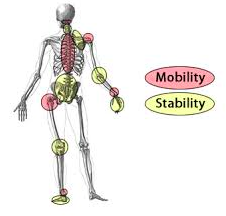
So lets think about what joints may have an effect/affect on the wrist (yes it can go both ways).  The elbow, glenohumeral (shoulder/GH), Scapulothoracic (ST), and Thoracic spine (T/S).  Lets go down the list and add the functions to the joints.  M=mobile, S=stabile, Wrist= M, elbow= S, GH= M, and ST= S T/S= M,  If you're having trouble with increasing mobility, then you may need to look at the other associated joints.  

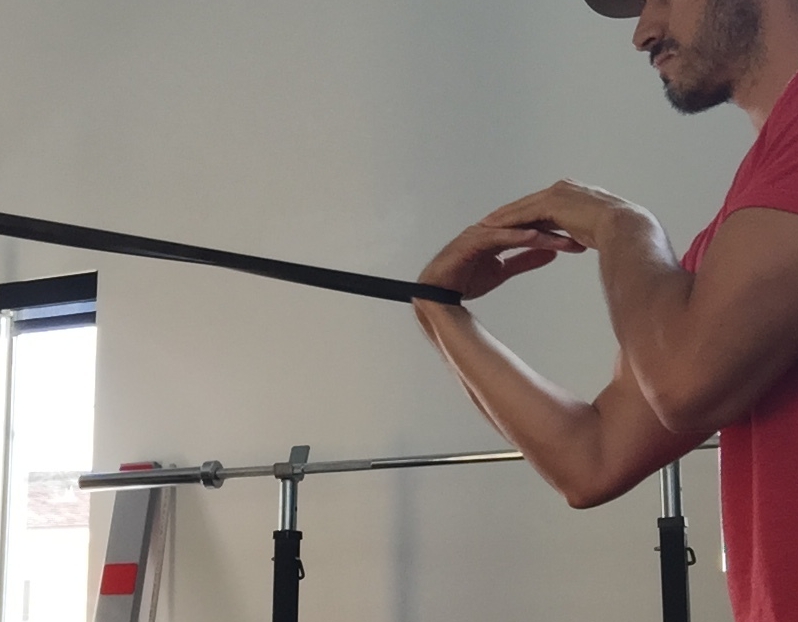
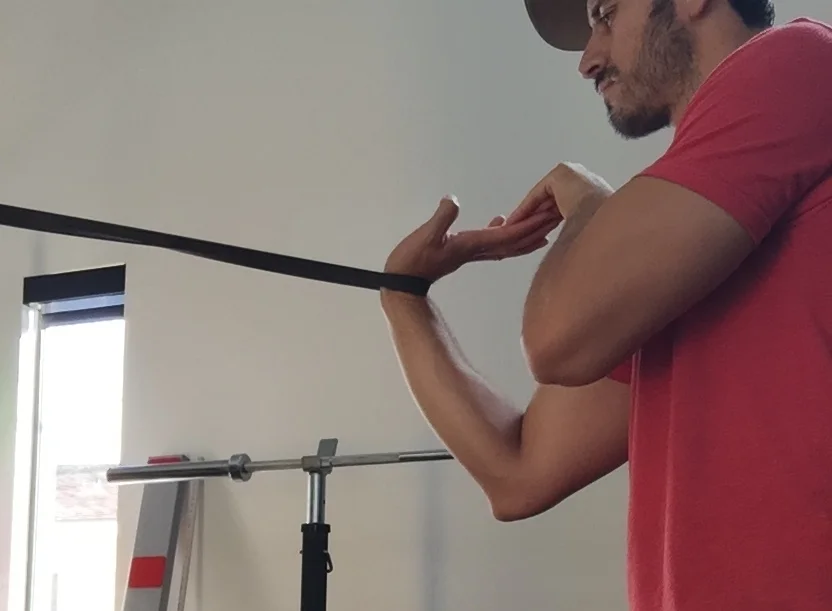
SO back to the wrist, with a mobility band, place the band around the carpel bones. If the band is on the dorsal (back) side of the wrist, pull the hands and fingers into extension.  If the band is on the palmar (palm) side of the wrist, flex the hand towards you.  Try mobilizing with the fingers opened and closed, hold the mobility position for 30sec to a min.   It is possible to be hyper mobile (too much ROM).  If you have any pain in the wrist seek a professional before attempting to do this on your own. The stretch should be comfortable enough that you're relaxed and breathing normally, too much stretch will cause you to fight against the stretch.  Don't force the joint to become mobile.  Work on mobility a little bit at a time and work your way up.  Now the most important aspect of increasing mobility in any joint is... making sure you use the ROM every day. Practice adding light pressure in that new range, slowly build strength in the new range.  Adding too much load to fast will end in injury.  

When it comes to improving mobility or stability, it will always come down to core strength.  "Proximal stability for distal mobility" PNF concept.  If your core is not stable enough you will not be able to maintain mobility in other joints that are fighting against the mobility drills.  So If you are having a difficult time maintaining mobility, first see a professional, make sure that the joint is not compromised, then work on core stability.  I'll be writing a post on core stability and what not to do.  

Move smarter, move better, move pain free.