
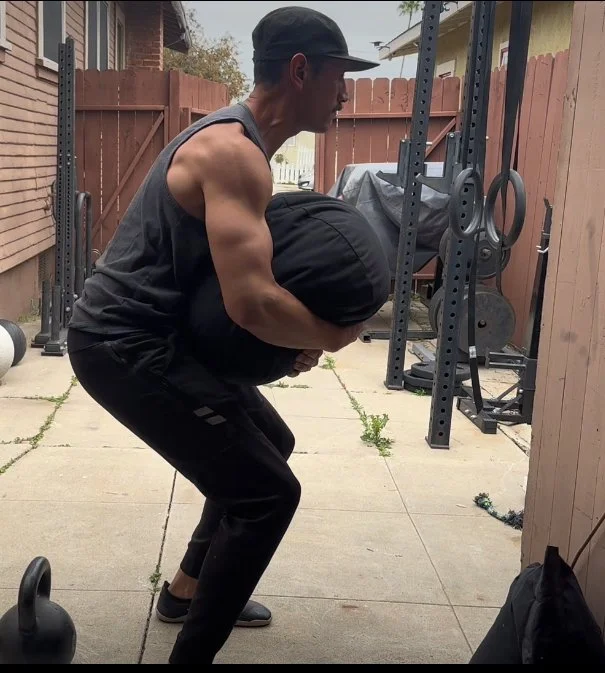
1. Functional Fitness vs. Traditional Strength Training: While traditional strength training often focuses on isolating specific muscle groups, functional fitness emphasizes movements that mimic real-life activities. This approach builds overall strength and improves coordination, balance, and flexibility, which are crucial for everyday tasks.
2. Preventing Injury through Functional Fitness: By training movement patterns rather than isolated muscles, functional fitness helps to correct imbalances and weaknesses that can lead to injury. For example, strengthening the muscles used for lifting objects or improving flexibility in the hips can reduce the risk of strains or sprains during daily activities.
3. Adaptability for Different Fitness Levels and Goals: Functional fitness can be tailored to accommodate individuals of all fitness levels and goals. Whether someone is recovering from an injury, preparing for a specific event, or simply looking to improve their overall fitness, a customized functional fitness program can be designed to meet their needs.
4. Functional Fitness for Aging Adults: As we age, maintaining functional movement becomes increasingly important for independence and quality of life. Functional fitness exercises that focus on balance, coordination, and mobility can help older adults stay active and reduce the risk of falls and injuries.
5. Integration of Functional Movements into Workouts: Functional fitness exercises can be integrated into various workout formats, including circuit training, HIIT (High-Intensity Interval Training), and even yoga or Pilates. This versatility allows individuals to incorporate functional movements into their preferred exercise routine.
6. Long-Term Health Benefits: In addition to reducing the risk of injury, functional fitness can lead to long-term health benefits such as improved posture, enhanced metabolism, and better overall body mechanics. These benefits support everyday activities and contribute to overall well-being and quality of life.
7. Holistic Approach to Fitness: Unlike some high-intensity interval training programs that focus solely on calorie burn and cardiovascular fitness, functional fitness takes a more holistic approach by considering how movements translate to real-life scenarios. This approach promotes functional strength and endurance that goes beyond the gym and into everyday life.
8. Educational Component of Functional Fitness: One of the key aspects of functional fitness is educating clients about proper movement mechanics and body awareness. By understanding how their bodies move and function, individuals can make more informed choices about their fitness routines and daily activities, leading to better overall health and reduced risk of injury.